Understanding Bitcoin ATM Limits: What You Need to Know

Digital Assets Strategist
Understanding Bitcoin ATM Limits: What You Need to Know
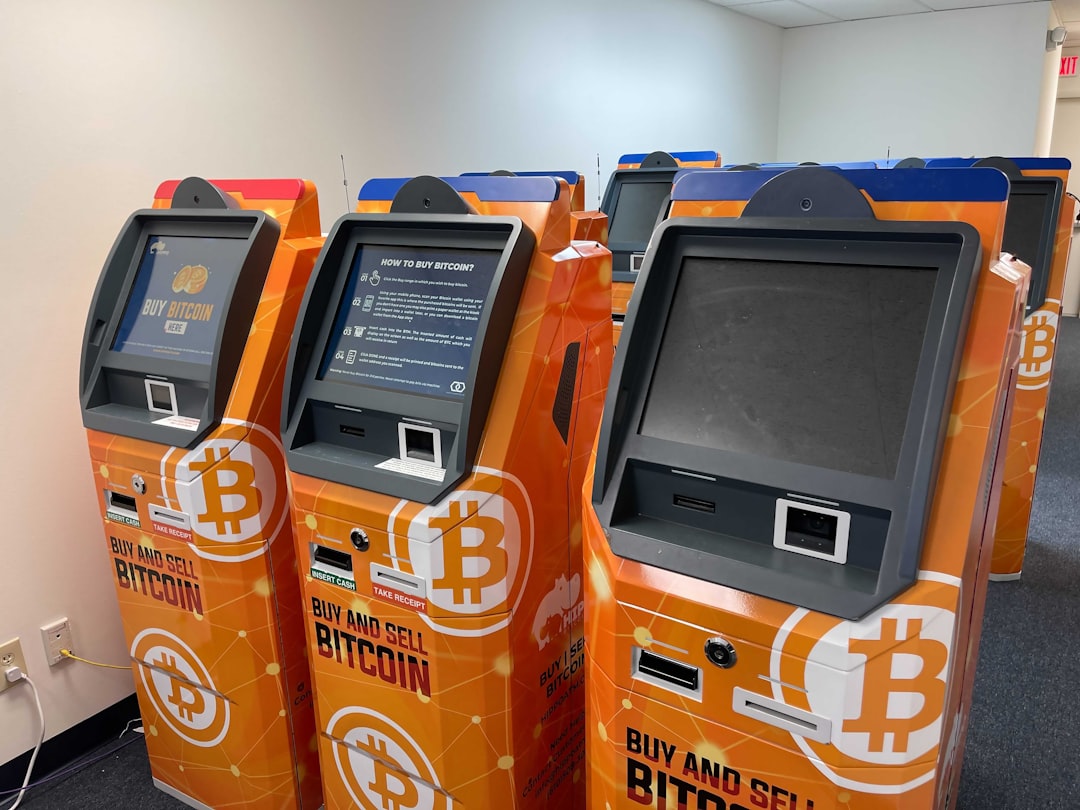
Bitcoin ATM limits are a critical aspect of using cryptocurrency kiosks to buy or sell Bitcoin. These limits determine how much you can transact at a time, how often you can use the machine, and what verification steps are required. For users navigating the world of Bitcoin ATMs, understanding these restrictions is essential to avoid frustration and ensure a smooth experience. Whether you're a first-time user or a seasoned crypto enthusiast, knowing the ins and outs of Bitcoin ATM limits can help you make informed decisions and maximize the benefits of these convenient access points.
What Are Bitcoin ATM Limits?
Bitcoin ATM limits refer to the maximum amounts of Bitcoin or fiat currency that users can buy, sell, or withdraw from a Bitcoin ATM within a specific timeframe. These limits are set by the ATM operator and are designed to mitigate risks such as fraud, money laundering, and regulatory compliance issues. While the exact limits vary depending on the operator, location, and user verification level, they typically include transaction limits, daily limits, and withdrawal limits.
Transaction Limits
Transaction limits define the maximum amount of Bitcoin or fiat currency that can be exchanged in a single transaction. For example, a Bitcoin ATM might allow a user to purchase up to 10 Bitcoin in one go, while another might restrict transactions to 5 Bitcoin. These limits are often adjusted based on the user's verification status. Unverified users may face lower limits, while verified users with higher security checks can access higher transaction amounts.
It's important to note that transaction limits are not just about the amount of Bitcoin but also the equivalent fiat value. For instance, a Bitcoin ATM might cap transactions at $5,000 in USD, regardless of the Bitcoin price at the time. This ensures that the operator can manage the financial risk associated with each transaction.
Daily Limits
Daily limits are another critical component of Bitcoin ATM restrictions. These limits specify the maximum amount of Bitcoin or fiat currency that a user can transact within a 24-hour period. For example, a user might be allowed to buy up to $10,000 worth of Bitcoin in a day, but this amount could be lower for unverified accounts. Daily limits are often tied to the user's verification level, with more stringent checks required for higher limits.
These limits are in place to prevent abuse and ensure that the ATM operator can monitor transactions effectively. Users who exceed their daily limits may be required to wait until the next day or complete additional verification steps to continue using the machine.
Withdrawal Limits
Withdrawal limits apply specifically to the amount of Bitcoin that can be taken out of a Bitcoin ATM. Unlike purchase limits, which involve buying Bitcoin with fiat currency, withdrawal limits focus on the amount of Bitcoin that can be dispensed. For example, a Bitcoin ATM might allow a user to withdraw up to 5 Bitcoin in a single session, but this amount could be lower for unverified users.
Withdrawal limits are particularly important for users who want to access their funds quickly. If a user exceeds their withdrawal limit, they may need to wait for the limit to reset or contact the ATM operator for assistance. Understanding these limits helps users plan their transactions more effectively and avoid unnecessary delays.
Types of Bitcoin ATM Limits
Bitcoin ATM limits can be categorized into several types, each serving a specific purpose in the transaction process. These include transaction limits, daily limits, and withdrawal limits, as discussed earlier. However, there are also other factors that influence these limits, such as the user's verification status and the ATM operator's policies.
Transaction Limits by Verification Level
One of the most significant factors affecting Bitcoin ATM limits is the user's verification level. Unverified users, who have not completed the necessary identity checks, typically face lower limits compared to verified users. For example, an unverified user might be restricted to a $500 transaction limit, while a verified user could access a $10,000 limit.
Verification processes often involve providing personal information, such as a government-issued ID, and sometimes even a selfie or a video call with a representative. This additional step helps the ATM operator comply with anti-money laundering (AML) regulations and reduces the risk of fraudulent activity.
Daily Limits and Their Variations
Daily limits can vary widely depending on the ATM operator and the user's location. In some regions, daily limits may be as low as $1,000, while in others, they could reach $50,000 or more. These variations are often influenced by local regulations and the operator's risk management strategies.
For instance, in the United States, Bitcoin ATM operators must comply with the Bank Secrecy Act (BSA), which requires them to report transactions exceeding $10,000. This means that daily limits in the U.S. may be set lower to avoid triggering reporting requirements. In contrast, countries with less stringent regulations might allow higher daily limits.
Withdrawal Limits and Their Implications
Withdrawal limits are another critical aspect of Bitcoin ATM restrictions. These limits determine how much Bitcoin a user can take out of the machine in a single session. For example, a user might be allowed to withdraw up to 10 Bitcoin, but this amount could be lower for unverified accounts.
Withdrawal limits are often tied to the user's verification status and the ATM operator's policies. Users who want to access higher withdrawal limits may need to complete additional verification steps or contact the operator directly. Understanding these limits is essential for users who plan to use Bitcoin ATMs for large transactions or frequent withdrawals.
Factors Influencing Bitcoin ATM Limits
Several factors can influence the Bitcoin ATM limits set by operators. These include the user's location, the ATM's location, the user's verification status, and the operator's internal policies. Understanding these factors can help users navigate the limitations and find the best options for their needs.
Location-Based Restrictions
One of the most significant factors affecting Bitcoin ATM limits is the user's location. Different countries and even different states within a country may have varying regulations regarding cryptocurrency transactions. For example, in some regions, Bitcoin ATMs may have lower limits due to stricter regulatory requirements, while in others, they may offer more flexibility.
Additionally, the location of the ATM itself can impact the limits. ATMs located in high-traffic areas or near major financial institutions may have higher limits to accommodate a larger volume of transactions. Conversely, ATMs in remote or less-regulated areas may have lower limits to minimize risk.
User Verification and Its Impact
User verification is a critical factor in determining Bitcoin ATM limits. Unverified users, who have not completed the necessary identity checks, typically face lower limits compared to verified users. This is because verified users are considered less risky and more trustworthy, allowing operators to set higher limits.
Verification processes often involve providing personal information, such as a government-issued ID, and sometimes even a selfie or a video call with a representative. This additional step helps the ATM operator comply with anti-money laundering (AML) regulations and reduces the risk of fraudulent activity.
ATM Operator Policies
Each Bitcoin ATM operator has its own set of policies regarding transaction and withdrawal limits. These policies are often influenced by the operator's risk tolerance, regulatory requirements, and business model. For example, some operators may prioritize security and set lower limits to minimize potential losses, while others may offer higher limits to attract more users.
Users should research the policies of different ATM operators before using their machines. This can help them find the best options for their needs and avoid unexpected restrictions. Some operators may also offer tiered limits based on the user's verification level, allowing them to increase their limits as they complete more verification steps.
How to Check and Increase Bitcoin ATM Limits
Understanding how to check and increase Bitcoin ATM limits is essential for users who want to maximize their transaction capabilities. While some limits are fixed, others can be adjusted based on the user's verification status and the operator's policies. Here are some steps users can take to check and potentially increase their limits.
Checking Limits Through the ATM Interface
Most Bitcoin ATMs display the current limits on their screens before a transaction is initiated. Users can check these limits by selecting the appropriate option on the ATM's menu. For example, when attempting to buy Bitcoin, the ATM may show the maximum amount that can be purchased in a single transaction or within a day.
It's important to note that these limits may vary depending on the user's verification status. Unverified users may see lower limits, while verified users may have access to higher amounts. If the limits are not clearly displayed, users can contact the ATM operator for more information.
Contacting the ATM Operator for Assistance
If a user wants to increase their Bitcoin ATM limits, the best course of action is to contact the ATM operator directly. Many operators offer customer support through phone, email, or live chat, and they can provide detailed information about the user's current limits and the steps required to increase them.
To increase limits, users may need to complete additional verification steps, such as providing a government-issued ID, a selfie, or a video call with a representative. Some operators may also require users to link their accounts to a verified cryptocurrency wallet or provide proof of address.
Using Mobile Apps to Manage Limits
Some Bitcoin ATM operators offer mobile apps that allow users to manage their accounts and check their limits in real time. These apps often provide a more user-friendly interface for tracking transactions and adjusting limits. Users can also receive notifications about their transaction history and any changes to their limits.
By using these apps, users can stay informed about their Bitcoin ATM limits and make adjustments as needed. This is particularly useful for users who frequently use Bitcoin ATMs and want to ensure they have the flexibility to transact at higher amounts when necessary.
Security Considerations Related to Bitcoin ATM Limits
While Bitcoin ATM limits are designed to protect users and operators, they also play a role in security. High limits can increase the risk of fraud or theft, so it's important for users to understand the security implications of these restrictions. Here are some key considerations to keep in mind.
Risks of High Limits
High Bitcoin ATM limits can pose significant risks if not managed properly. For example, a user with a high daily limit may be more vulnerable to theft or fraud if their account is compromised. Additionally, high limits can make it easier for malicious actors to launder money or engage in other illegal activities.
To mitigate these risks, users should ensure that their accounts are properly secured with strong passwords and two-factor authentication. They should also be cautious when using Bitcoin ATMs in public or unfamiliar locations, as these environments can increase the likelihood of theft or tampering.
Protecting Your Account
Protecting your Bitcoin ATM account is crucial to maintaining secure transactions. Users should regularly update their passwords, enable two-factor authentication, and avoid sharing their login credentials with others. It's also important to monitor account activity for any suspicious transactions and report them immediately to the ATM operator.
Additionally, users should be aware of the risks associated with using unverified Bitcoin ATMs. These machines may not have the same level of security as verified operators, making them more susceptible to hacking or fraud. Always choose reputable ATM operators and verify their credentials before using their machines.
Importance of Secure Transactions
Secure transactions are essential when using Bitcoin ATMs, especially when dealing with high limits. Users should ensure that they are using a secure network, such as a private Wi-Fi connection, when accessing the ATM. They should also avoid using public computers or shared devices to prevent unauthorized access to their accounts.
Furthermore, users should be cautious about the information they share with the ATM operator. While verification steps are necessary, users should only provide the minimum amount of personal information required. This helps reduce the risk of identity theft and other security breaches.
Conclusion
Bitcoin ATM limits are an essential part of the cryptocurrency ecosystem, ensuring that transactions are secure, compliant, and manageable for both users and operators. By understanding the different types of limits, the factors that influence them, and how to check and increase them, users can navigate the world of Bitcoin ATMs more effectively.
As the cryptocurrency market continues to evolve, so too will the regulations and policies surrounding Bitcoin ATMs. Staying informed about these changes and taking proactive steps to protect your account will help you make the most of this convenient and accessible way to buy and sell Bitcoin.